




Put simply, mitigation is the work of holding damage to its current size. Repair is a different job. It is everything done before the repair to protect what is still sound. For Chino homes, that means we stop the source, pull the water out, seal off wet areas and get the structure stable. Done well, it shrinks the repair that follows and sometimes removes the need for one.
The words mitigation and restoration get used as if they were interchangeable. They are two phases. The emergency stage is mitigation, where we stop the loss, keep it from spreading and stabilize the house. Once the structure tests dry, restoration takes over and covers repairing or rebuilding finishes, drywall and floors that were damaged. Because an insurer lists each one separately as well, knowing where you stand in the process is helpful.
Four tasks make up most mitigation visits. Source control, so no new water enters. Second is extraction, to clear out standing water. Third is containment, where controlled airflow and plastic barriers keep contaminants and moisture away from clean rooms. Fourth is stabilization: unsalvageable materials come out, surfaces receive antimicrobial treatment, and dehumidifiers and air movers are placed. Along the way, your belongings and furniture get moved or set up on blocks to keep them safe.
The Benefits of Professional Water Damage Mitigation
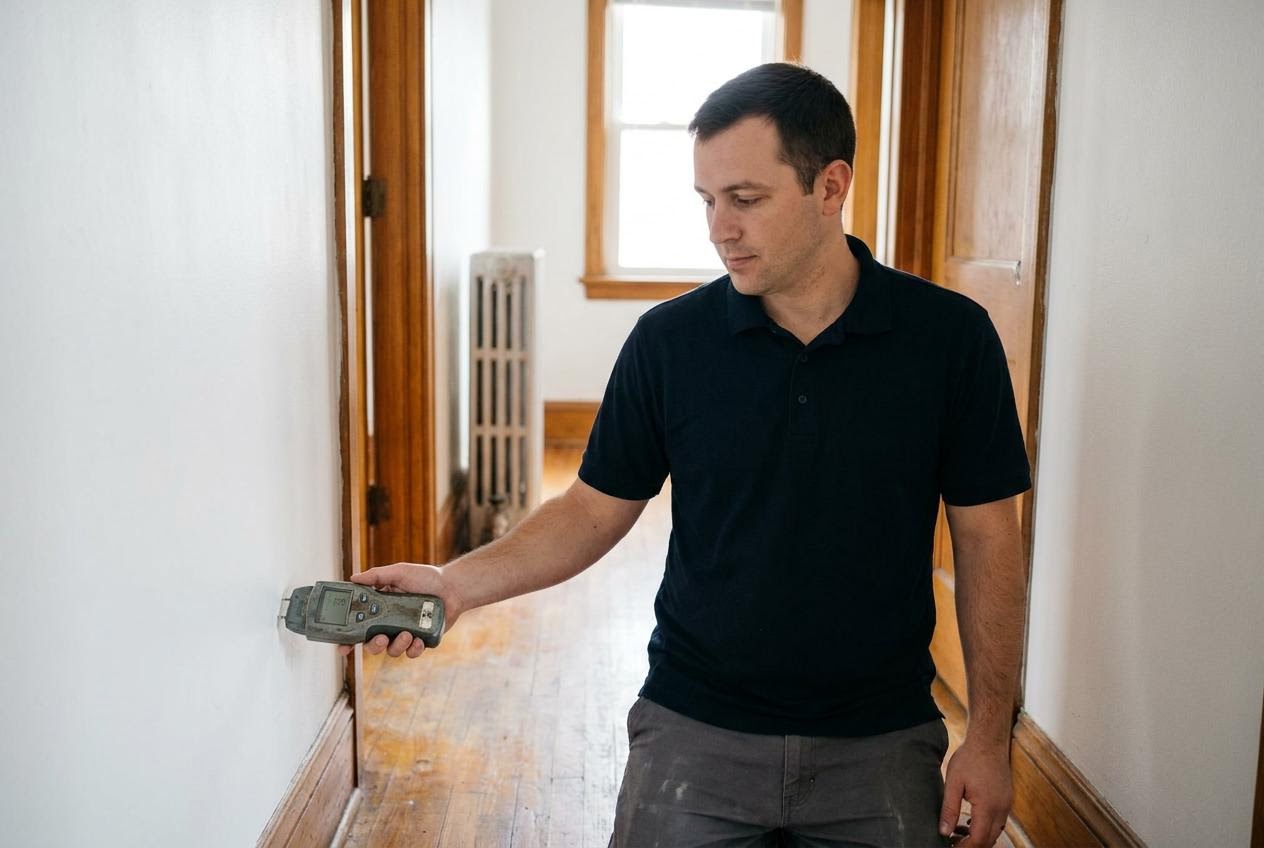
Mitigation is a series of judgment calls made quickly. Can this section of drywall dry in place, or does it need cutting out? Which category applies, 1, 2 or 3, and did that change after the leak first began? Does the cabinet toe kick need to come off? We answer those questions with training and moisture readings rather than by the look or feel of a surface.
Your insurance claim benefits from proper mitigation too. Under most policies you must act reasonably to keep the damage from growing, with proof that you did. Arrival photos, daily moisture readings and an inventory of removed materials all go into our records. That file shows what the water did and what was done about it. It also gives the repair contractor a clear starting point, with no wet surprises behind new drywall.
Water Damage Mitigation Issues? We Can Help.
Our IICRC-certified technicians are standing by to help.
Get Help: (360) 203-7424When to Call for Water Damage Mitigation in Chino
Recognizing the warning signs early can save you time, money, and prevent significant damage to your property. Here are the most common indicators that it's time to call a professional:
- A leak has been stopped but floors, walls or cabinets are still wet.
- Baseboards are swelling or pulling away from the wall after a leak.
- The carpet pad is soaked through even where the surface seems only damp.
- Following a water loss, indoor air stays damp and condensation forms on the glass.
- Plumbing repairs are done, but no one has addressed what got wet.
- The insurance company instructed you to take reasonable action against further damage.
- Bathroom or kitchen cabinets are sitting over water that cannot be reached to dry.
Act Before It Gets Worse
Many water damage problems start small but can escalate quickly into costly emergencies. If you notice any of these signs, contact Chino Restoration at (360) 203-7424 for a prompt evaluation.
Should You DIY or Call a Pro?
While some minor restoration tasks can be handled by handy homeowners, most water damage work requires professional expertise, specialized equipment, and proper safety training. Consider the following comparison:
| Factor | DIY Approach | Professional Service |
|---|---|---|
| Contamination | Bleach on visible surfaces | Antimicrobial matched to water category |
| Containment | Towels along the door gap | Plastic containment with managed airflow |
| Proof for insurer | Some pictures on your phone | Dated images and daily meter logs |
| What stays or goes | Judging by look and feel | Meter data drives each removal |
| Drying check | Touch test on the surface | Each visit measured, not guessed |
How We Handle Water Damage Mitigation
Our systematic approach delivers quality results on every project. Here's how we handle water damage mitigation from start to finish:
Control the Source
We shut off the supply, cap the failed line, or tarp and board the opening where water is entering. When the permanent repair calls for a roofer or plumber, we help schedule it.
Extract the Water
Pumps and extractors take out the standing water, and we inspect the carpet and pad. Fast removal of bulk water limits damage more than drying equipment could by itself.
Set Up Containment
Wet rooms are closed off from dry ones with barriers of plastic sheeting and controlled airflow. This keeps humidity, dust and any contaminants from travelling through the house while work is under way.
Stabilize and Dry
Unsalvageable materials are removed, surfaces get antimicrobial treatment, and air movers and dehumidifiers are set. Moisture readings are recorded on every visit until the structure can be repaired, typically in 3 to 5 days.
Not Sure What You Need?
Call Chino Restoration to discuss your water damage mitigation needs with a IICRC-certified technician.
Get Help: (360) 203-7424Frequently Asked Questions About Water Damage Mitigation
Maintenance Tips for Water Damage Mitigation
A little prevention goes a long way in avoiding expensive restoration emergencies. Follow these tips from our IICRC-certified technicians:
- Get the water heater checked every year, and replace it ahead of a tank failure.
- Slope the soil away from the house so rainwater does not pool against the walls.
- Trade rubber washer hoses for braided steel, and renew them roughly every five years.
- Find the main water valve and make sure it has not seized.
- In cold months, a heated house protects pipes from freezing, even while you travel.
- Install an automatic shutoff valve that closes the main when a leak is detected.
Get Water Damage Mitigation Help Today
The sooner you call, the sooner we can help. Reach Chino Restoration for same-day service.
Call (360) 203-7424 Today